Finding the perfect travel backpack for men is more than just picking a bag; it’s about choosing a reliable partner for your adventures. Whether you’re navigating the bustling streets of Karachi, trekking in the northern areas, or embarking on a business trip to Dubai, the right backpack can make or break your experience. For the modern man, a travel backpack is a critical piece of gear that balances functionality, durability, and style.
Gone are the days of bulky, awkward sacks. Today’s top-tier men’s travel backpacks are engineering marvels—featuring smart organization, ergonomic designs, and materials built to last. This comprehensive guide draws on real-world testing, product design insights, and extensive travel experience to help you navigate the overwhelming options. We’ll break down everything from backpack types and key features to packing strategies and top recommendations, ensuring you invest in a bag that truly deserves a place on your shoulders.
Why Your Choice of Travel Backpack Matters
Think of your travel backpack as your mobile basecamp. A poorly chosen bag leads to sore shoulders, disorganized chaos, and constant frustration. A well-chosen one provides effortless mobility, keeps your essentials secure and accessible, and even helps you breeze through airport check-ins and crowded bazaars. For the Pakistani traveler, specific challenges like variable climates, diverse travel modes (from buses to bikes), and the need for both casual and formal attire make the choice even more crucial. The right backpack for travel is an investment in comfort, efficiency, and peace of mind.
Understanding Backpack Types: One Bag vs. Every Journey
Not all travel backpacks for men are created equal. Your travel style should dictate your choice. Here’s a breakdown of the primary categories:
The Carry-On Travel Backpack (The One-Bag Hero)
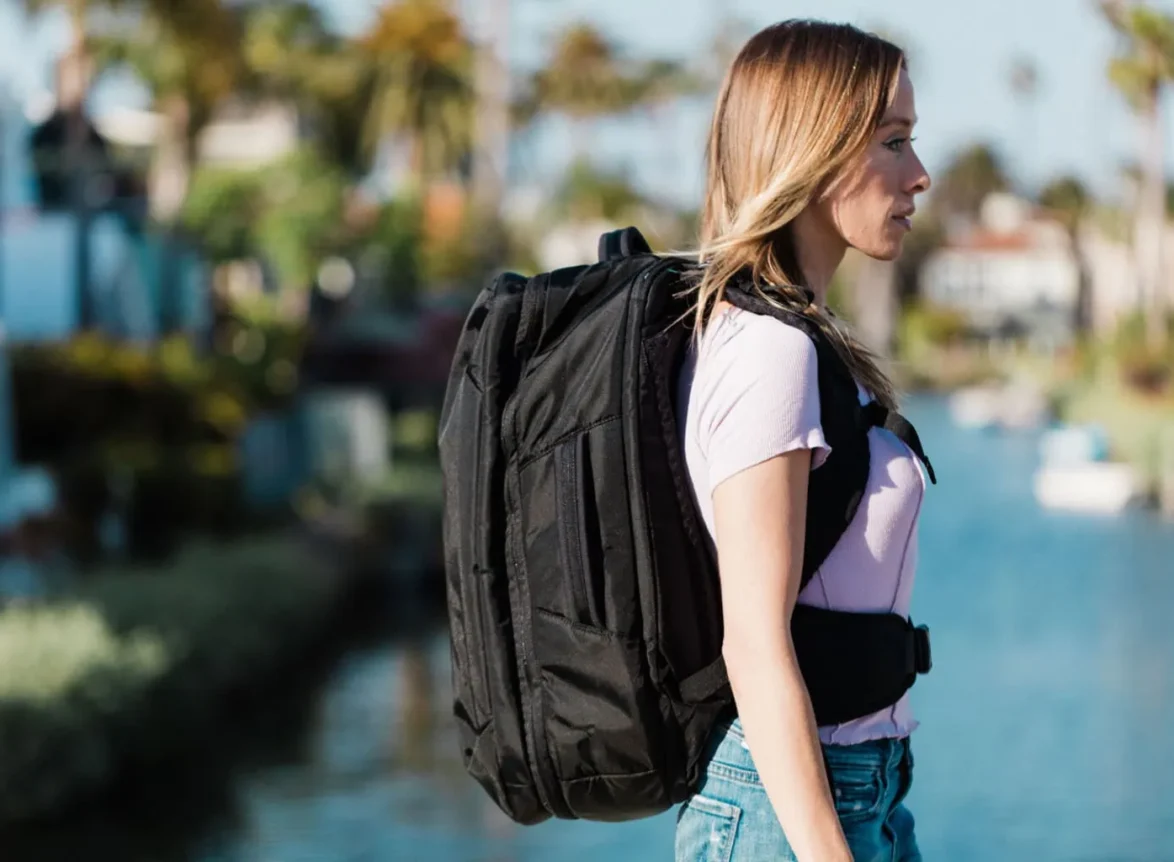
This is the quintessential backpack for men designed for the minimalist traveler. Complying with most airline carry-on size restrictions (typically around 40L-45L), it eliminates checked baggage fees and wait times. Look for a sleek, clamshell-opening design that lays flat like a suitcase for easy packing. These are perfect for weekend getaways or week-long trips with savvy packing.
The Technical Trekking Backpack
If your travel involves trails and terrain, a hiking backpack with travel features is essential. These packs prioritize weight distribution through robust hip belts and internal frames, have multiple attachment points for gear, and are made from highly durable, often weather-resistant materials. Capacity usually ranges from 50L to 70L+ for multi-day expeditions.
The Urban & Business Travel Backpack
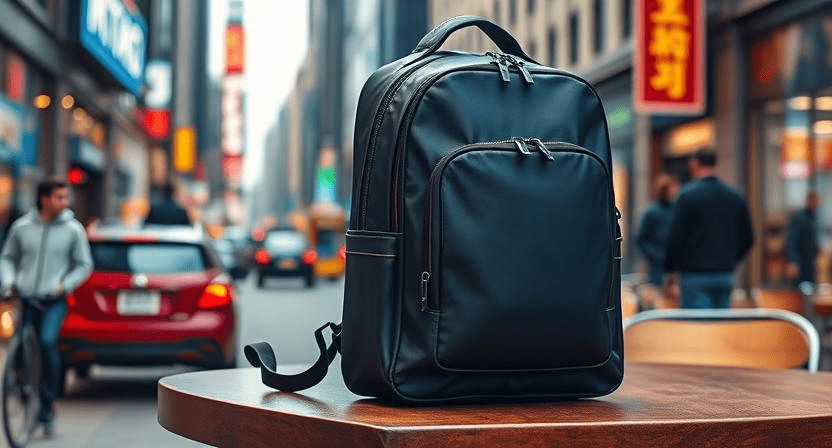
Style meets function here. An urban travel backpack often features a more professional, low-profile design in materials like ballistic nylon or even leather. Key features include a dedicated, padded laptop compartment (often TSA-friendly), discreet organization for documents, and perhaps a separate shoe compartment. It transitions seamlessly from the airplane to the coffee shop to the client meeting.
The Adventure Travel Bag
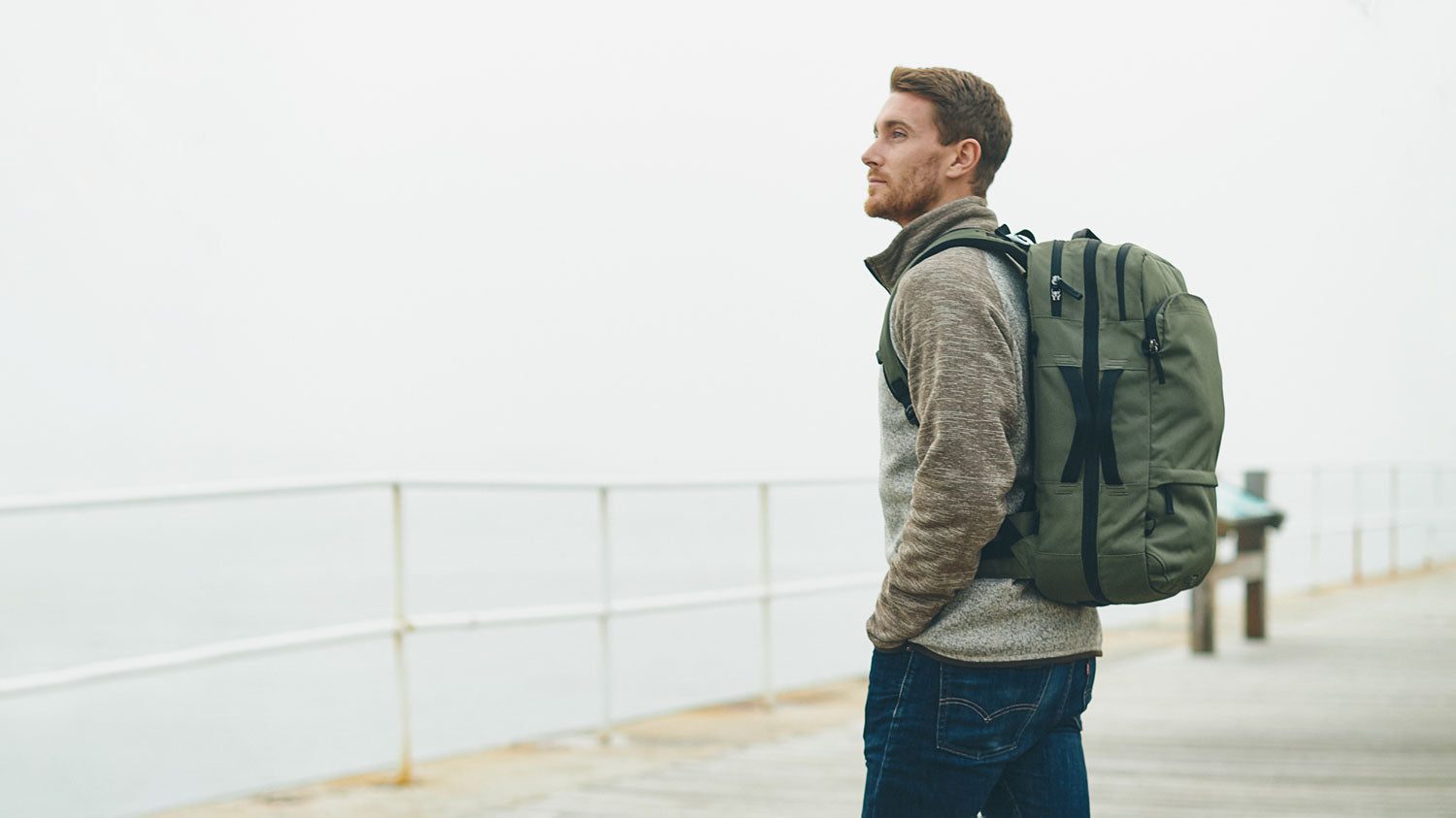
This hybrid category is for the traveler who might spend a few days in a city before heading into the outdoors. These durable travel backpacks offer a mix of organizational features for tech and clothes, along with rugged construction, hydration bladder compatibility, and sometimes even convertible straps for alternative carrying.
Deconstructing the Perfect Pack: 8 Must-Check Features
When evaluating a men’s travel backpack, look beyond aesthetics. These engineering and design elements determine real-world performance.
- Carry System & Comfort: This is non-negotiable. Look for padded, adjustable shoulder straps, a contoured and padded hip belt that transfers weight to your hips (for packs over 30L), and a ventilated back panel to reduce sweat buildup. The best systems are customizable to your torso length.
- Access & Opening Style: How you get to your stuff is key.
- Clamshell/Front-Loading: Opens like a suitcase. Unbeatable for organization and access to everything at once.
- Top-Loading: Traditional style, often more water-resistant and streamlined but can require digging for items at the bottom.
- Panel Loading: Offers multiple zippered access points to different compartments.
- Organization & Compartments: Smart organization saves time and stress. Prioritize bags with a dedicated laptop compartment, multiple internal pockets, and perhaps compression straps to stabilize your load. A quick-access “admin” panel for passports, tickets, and pens is a game-changer.
- Materials & Durability: The fabric defines longevity. High-denier nylon (e.g., 500D, 1000D) or polyester, often with a polyurethane coating, is standard. Look for reinforced stitching, high-quality YKK zippers, and durable buckles. Brands like Cordura offer exceptional abrasion resistance.
- Security Features: For any traveler, security is paramount. Anti-theft backpacks may include lockable zippers, hidden pockets against the back panel, and slash-resistant materials. RFID-blocking pockets for cards are a useful bonus.
- Hydration Compatibility: For active travelers, an internal sleeve and port for a hydration bladder (like a CamelBak) is a hugely convenient feature, keeping you hands-free and hydrated.
- Luggage Pass-Through: A simple strap on the back that allows you to slide the backpack over your rolling suitcase handle is a small feature that offers massive convenience in transit hubs.
- Weather Resistance: At a minimum, look for a water-resistant coating. Many packs include a built-in or stowable rain cover for complete protection during unexpected downpours—a must for monsoon travel in South Asia.
Material Matters: From Nylon to Cordura
The fabric of your travel pack is its first line of defense.
- Nylon: The most common material. It’s strong, lightweight, and often treated for water resistance. Higher denier (D) means thicker, more durable threads (e.g., 1000D is extremely rugged).
- Polyester: Similar to nylon but generally more UV-resistant and quicker to dry. Often used in blends.
- Cordura: A branded, high-performance nylon known for exceptional abrasion and tear resistance. A hallmark of premium travel backpacks.
- Ballistic Nylon: Originally developed for flak jackets, it’s incredibly tough and resistant to tears and scuffs, common in urban/business bags.
- Tarpaulin & Canvas: Offer unique aesthetics and great weather resistance but can be heavier.
The Art of Packing Smart: Maximizing Your Backpack’s Potential
The best backpack for international travel is only as good as how you pack it. Follow these pro tips:
- Embrace the Packing Cube: These are not a gimmick. They compartmentalize your clothing (e.g., shirts in one, bottoms in another), compress contents, and keep everything organized. No more chaotic digging.
- Follow the Core Principles: Place heavier items (shoes, toiletries) closer to your back and towards the middle of the pack. This keeps the weight centered and improves balance. Lighter items go towards the outside and top.
- Utilize Every Feature: Stow your rain cover in the bottom compartment. Use the laptop sleeve for flat items like folders. Hook carabiners to external loops for water bottles or hats.
- The 3-Bag Rule: For longer trips, consider a system: Your main carry-on travel backpack, a small packable daypack for daily excursions, and a compact toiletry kit.
Top Picks: Men’s Travel Backpacks for Different Travel Styles
(Note: These are illustrative recommendations based on market consensus and feature sets.)
- For the Ultimate One-Bag Traveler: The Peak Design Travel Backpack 45L. A masterclass in design with expandable capacity, a sleek look, and flawless organization. Its accessory ecosystem is unmatched.
- For the Value-Conscious Adventurer: The Osprey Farpoint 40. A longtime favorite for its perfect carry-on size, incredibly comfortable AirScape back panel, and lockable zippers. It represents outstanding value and reliability.
- For the Urban Professional: The Aer Travel Pack 3. Sleek, minimalist, and built like a tank with premium materials. It features a flawless organization system, a separate shoe compartment, and a professional profile ideal for city travel.
- For the Serious Trekker-Traveler: The Osprey Atmos AG 65. If your journey involves significant hiking, its Anti-Gravity suspension system is the gold standard for comfort under heavy loads, making long treks feel effortless.
Maintaining Your Gear for Longevity
Your durable travel backpack is built to last, but care extends its life.
- Cleaning: Empty all pockets. Use a damp cloth with mild soap to spot clean. For deeper cleans, follow the manufacturer’s instructions—some are even machine washable in gentle cycles.
- Drying: Always air dry completely away from direct heat or sunlight to prevent material degradation. Never store a damp pack.
- Storage: Store in a cool, dry place. Leave it partially unzipped to allow air circulation and avoid compressing it for long periods to maintain shape.
Frequently Asked Questions (FAQs)
Q: What size travel backpack for men do I need for a 1-week trip?
A: For most travelers, a 40-45 liter backpack is the ideal size for a week. It typically meets carry-on limits and, with efficient packing (using packing cubes), can comfortably hold a week’s worth of clothing and essentials.
Q: Can a travel backpack be used as a hiking backpack?
A: It depends. A dedicated trekking backpack has a robust frame and hip belt for heavy loads over distance. Some adventure travel bags can handle light day hikes. For serious hiking with significant weight, a dedicated hiking pack is always recommended for comfort and safety.
Q: Are anti-theft features in backpacks really necessary?
A: While not always necessary, anti-theft features like lockable zippers and hidden pockets provide significant peace of mind, especially in crowded tourist areas, bustling markets, or while using public transport. They are a highly recommended layer of security.
Q: How do I ensure my backpack is carry-on compliant?
A: Always check your specific airline’s size regulations (usually listed as “carry-on baggage dimensions” on their website). Most carry-on travel backpacks are designed to meet the most common restrictions (approx. 55cm x 40cm x 20cm). Some packs have compression straps to shrink their profile if slightly overstuffed.
Q: What’s the best way to pack formal clothes in a backpack?
A: Use a garment folder or a simple packing cube. Fold your formal wear around a core of softer items to minimize creases. For suits, the “bundle wrapping” method can be effective. Rolling dress shirts and placing them at the top of your pack also reduces wrinkles.
Conclusion
Choosing the right travel backpack for men is a deliberate process that pays dividends on every trip. It’s about aligning a tool with your personal travel DNA—whether you’re a minimalist urban explorer, a rugged adventurer, or a hybrid of both. By prioritizing a superior carry system, intelligently organized compartments, and durable materials, you’re not just buying a bag; you’re equipping yourself with the freedom and confidence to travel better.
Start by honestly assessing your most common travel scenarios. Invest in a versatile travel backpack that addresses your core needs, master the art of packing it smartly, and maintain it well. Your future self, navigating a new city with ease or arriving fresh at your destination, will thank you for the thoughtful preparation. Now, with the knowledge in hand, you’re ready to find the pack that will be your trusted companion for miles to come.