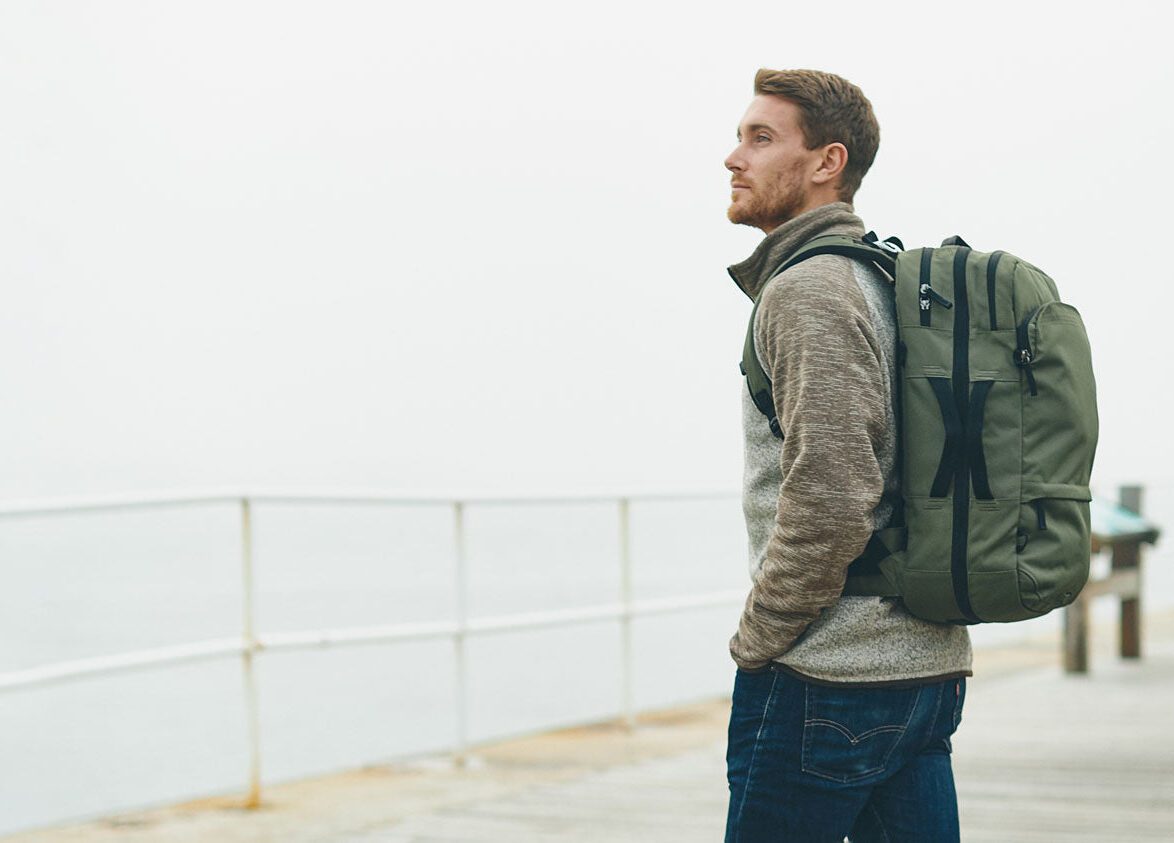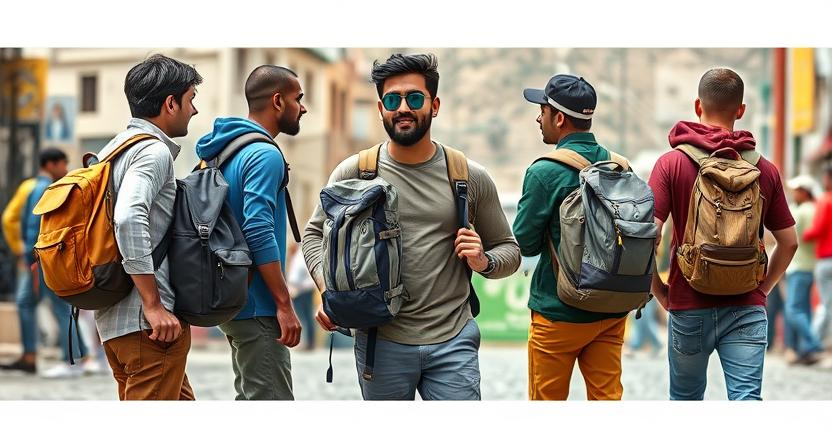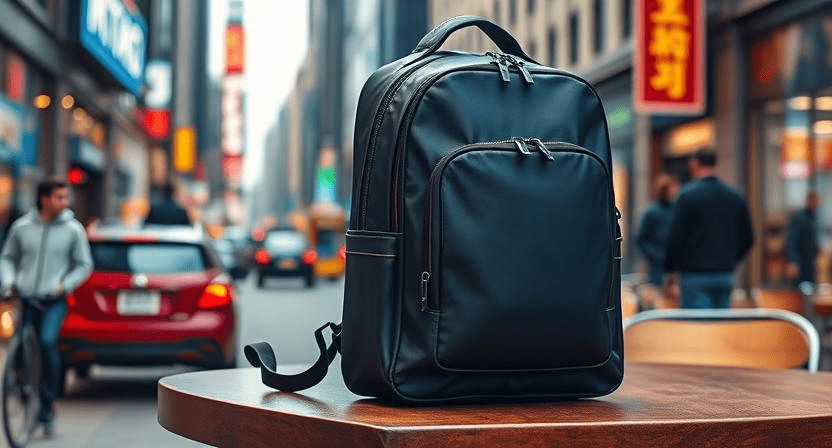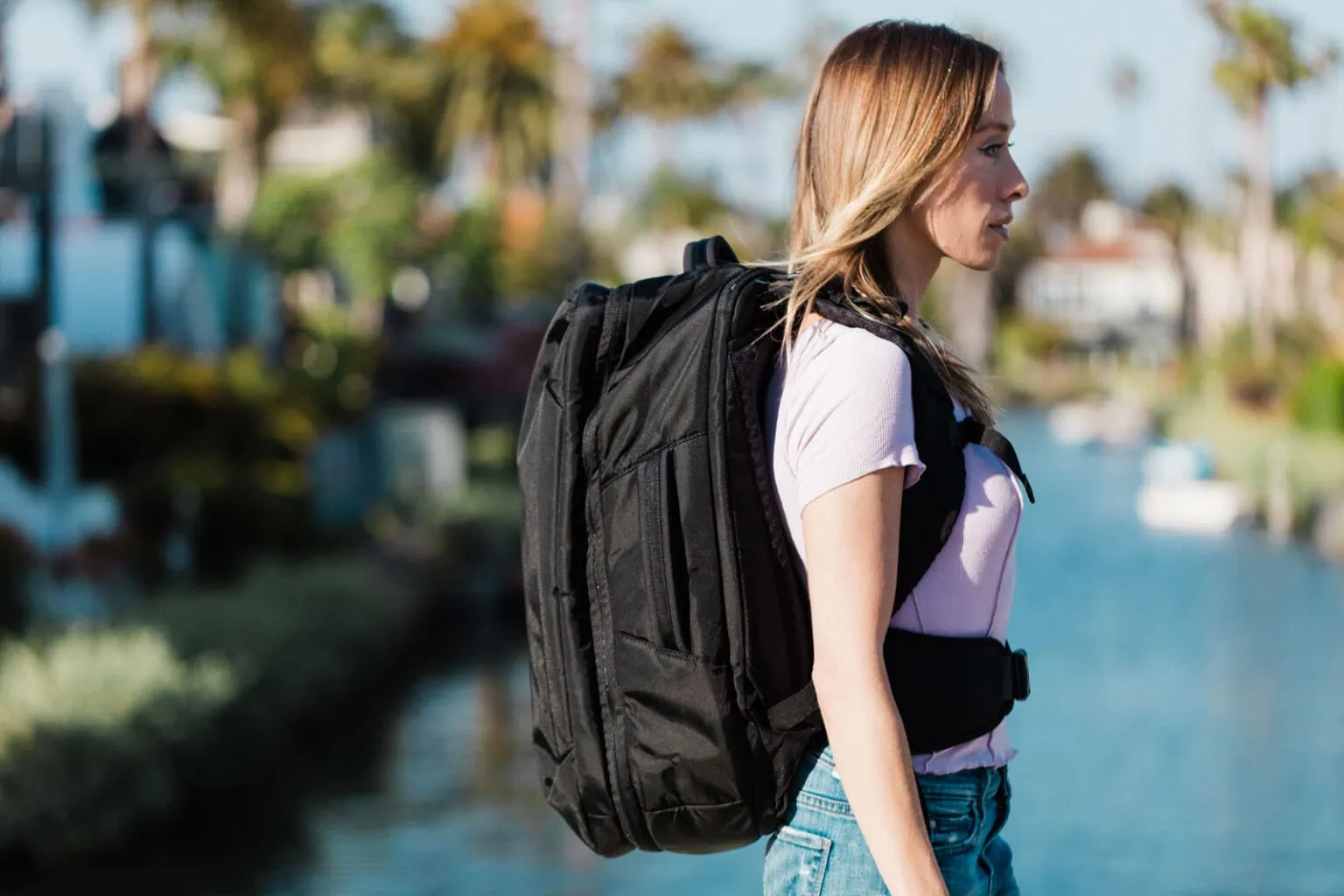
The search for the best travel backpack for women is about more than just picking a bag. It’s about finding a reliable partner for your journeys—one that aligns with your body, your travel style, and the unique demands of your adventures. Unlike unisex or men’s designs, a backpack crafted with women in mind considers specific ergonomics, proportional sizing, and often, a blend of practical organization without sacrificing personal style. The right backpack transforms your travel experience, reducing fatigue, increasing mobility, and providing peace of mind. This guide moves beyond simple product lists to give you the expertise and framework for making a truly informed choice that serves you trip after trip.
Why a Woman-Specific Backpack Design Matters
Many assume a backpack is a backpack, but physiological differences make a dedicated design crucial for comfort. Women generally have narrower and shorter torsos, proportionally broader hips, and a different center of gravity compared to men. A women’s travel backpack typically accounts for this with:
- Adjusted Torso Length: The harness system is scaled for a shorter torso range, ensuring the hip belt sits on your hips (your body’s strongest part) and not around your waist. This properly transfers weight from your shoulders to your hips.
- Curved and Narrower Shoulder Straps: These are contoured to fit comfortably around the chest and shoulder area without chafing.
- S-Curve Shaped Straps: Mimicking the natural curvature of the spine and shoulder line, this design prevents the straps from digging into the underarm area.
- Closer-Proportion Hip Belts: These are often angled and padded to sit securely on the female pelvis.
Ignoring these fit factors can lead to back pain, shoulder strain, and a miserable travel day. A properly fitted bag feels like an extension of your body, not a burden you’re carrying.
Essential Features to Look for in a Top-Tier Backpack
When evaluating options, these components separate the exceptional from the ordinary. Look for these non-negotiable features.
Ergonomic Design and Superior Suspension
The backbone of any great pack is its suspension system. Look for adjustable, padded shoulder straps, a ventilated back panel to reduce sweat, and a robust, padded hip belt. The best systems are fully adjustable so you can fine-tune the fit. Weight distribution is key; over 70% of the pack’s load should rest on your hips when the straps are adjusted correctly.
Capacity and Carry-On Compliance
Capacity is measured in liters. Your choice dictates your travel style:
- Under 30L: Ideal for weekend travel backpacks or as a personal item on flights.
- 30L – 45L: The ultimate sweet spot for indefinite travel and the best carry-on backpack. It forces you to pack smartly and almost always fits in overhead bins.
- 45L+: Necessary for specialized trekking, expedition travel, or if you need to carry bulky gear. Often requires checking.
Always check your airline’s specific carry-on dimensions (height, width, depth) in centimeters or inches. A 40L bag from one brand might be carry-on compliant, while another’s 38L might be too tall.
Intelligent Organization and Accessibility
Chaos is the enemy of efficient travel. Seek out packs with logical compartmentalization.
- Clamshell vs. Top-Loading: A clamshell opening (like a suitcase) is superior for travel, allowing you to see and access everything instantly. Top-loading is more traditional for hiking.
- Dedicated Compartments: A padded laptop compartment (sleeve) that fits your device is essential for digital nomads. Look for separate tablet pockets, quick-access zones for passports and tickets, and internal organization panels for cables and small items.
- Multiple Access Points: Side, front, or bottom zippers can be a lifesaver for grabbing a jacket or shoes without unpacking everything.
Material, Durability, and Weather Resistance
The material defines the pack’s lifespan and weight.
- Nylon: High-denier nylon (e.g., 400D, 1000D) is the industry standard for durable travel backpacks. It’s resistant to abrasions and tears.
- Polyester: Often more affordable and can have good water-resistant coatings.
- Ripstop: A lightweight fabric woven with reinforcement threads, making it highly resistant to tearing.
- Weather Protection: Many packs come with a built-in rain cover stored in a bottom pocket. Others use waterproof zippers and TPU-laminated fabrics (like those used in dry bags) for superior water resistance.
Security and Safety Considerations
Protecting your belongings is paramount. Modern anti-theft travel bag features include:
- Lockable Zippers: Zippers that can be secured with a small padlock or TSA-approved lock.
- RFID-Blocking Pockets: To protect your credit cards and passport from digital skimming.
- Slash-Resistant Material: Panels made from mesh or other materials difficult to cut quickly.
- Discreet or Hidden Pockets: For stashing cash or valuables out of plain sight.
Aesthetic and Style
Function doesn’t have to be ugly. The best travel backpack for women today comes in a variety of colors, from sleek matte blacks and navys to earthy tones and even vibrant hues. The style—whether minimalist, tech-focused, or rugged should reflect your personal taste and be something you’re happy to be seen with in a city cafe or at an airport.
Breaking Down Backpack Types by Travel Style
Your primary travel mode should guide your choice.
The Urban Explorer and Digital Nomad
For city breaks, workations, and fast-paced travel, you need a blend of professionalism and practicality.
- Key Features: Sleek, minimalist design, dedicated and padded laptop compartment (often 15-17 inch), easy-access organization for tech, water bottle pockets, and luggage pass-through for stacking on a suitcase handle.
- Capacity: 25L – 35L.
- Material: Often lighter-weight, stain-resistant nylon or polyester with a cleaner aesthetic.
The Adventure Trekker and Outdoor Enthusiast
When your journey involves trails, mountains, or unpredictable environments, your pack needs to be tough and technically capable.
- Key Features: Robust external frame or internal suspension, load lifters, hydration bladder compatibility, multiple compression straps for gear, ice axe loops, and a highly breathable back system. Look for a hiking backpack for women with a defined fit.
- Capacity: 50L+ for multi-day treks.
- Material: High-denier, abrasion-resistant nylon, often with enhanced weather protection.
The Minimalist and One-Bag Traveler
This philosophy is about freedom through less. The pack is your luggage.
- Key Features: Maximum organization in a compact, carry-on compliant size. Clamshell opening is almost mandatory. Emphasis on lightweight construction and versatile packing systems (like packing cubes compatibility).
- Capacity: 35L – 45L is the gold standard.
- Material: Durable but often lighter materials to maximize weight allowance for your belongings.
How to Ensure a Perfect Fit: A Step-by-Step Guide
Buying online? You can still get a great fit with these steps.
- Measure Your Torso: This is the most critical measurement. Use a soft tape measure. Find the bony bump at the base of your neck (the C7 vertebra). Tilt your head forward; it’s the most prominent bone. From there, measure down your spine to the iliac crest the top of your hip bones. This length in inches/cm is your torso size.
- Check the Brand’s Sizing Chart: Reputable brands provide packs in specific torso ranges (e.g., XS/S, M/L). Match your measurement to their chart. Do not go by clothing size.
- Understand Hip Belt Sizing: The hip belt should wrap around the top of your hips. Most brands provide the belt’s circumference range. Ensure your hip measurement (around the iliac crest) falls within it.
- Load and Adjust: Once you have the pack, load it with weight (10-15 kg). Loosen all straps. Put it on. Buckle the hip belt first and tighten it so the padding cups the top of your hips. Then tighten the shoulder straps until they are snug but not bearing the full weight. Finally, adjust the load lifter straps (at the top of the shoulders) to a 45-degree angle. The pack should feel stable and close to your body.
Current Trends in Women’s Travel Backpacks
The market is constantly evolving with traveler needs.
- Sustainability: Brands are increasingly using recycled materials (like recycled nylon or polyester) and offering repair programs to extend product life.
- Modularity: Some packs offer removable daypacks, convertible hip belts into slings, or configurable internal dividers.
- Blended Lifestyles: Packs that seamlessly transition from a hike to a co-working space, featuring both technical suspension and polished looks.
- Enhanced Comfort Tech: Advanced foam in straps and back panels that are both ventilated and pressure-mapping for even weight distribution.
Frequently Asked Questions (FAQs)
What size travel backpack can I take as carry-on?
Most international carry-on limits are around 55cm x 40cm x 20cm (22″ x 16″ x 8″). A lightweight travel pack in the 35L-40L range typically meets this. Always verify with your specific airline.
Is a travel backpack better than a suitcase?
For mobility, versatility, and navigating uneven terrain (cobblestones, stairs, beaches), a backpack is superior. For purely urban travel on smooth surfaces with minimal transit, a wheeled suitcase can be easier.
How do I keep my backpack organized?
Packing cubes are non-negotiable. They compress clothing and separate items by type or use. Use smaller pouches for tech, toiletries, and first-aid.
Can a travel backpack be used for everyday purposes?
Many modern travel backpacks, especially in the 25L-30L range, are designed for this dual purpose. Look for a streamlined design and a quick-access pocket for your daily essentials.
How important is a dedicated laptop sleeve?
If you travel with a laptop, it is essential. A padded, suspended sleeve (one that has an extra layer of fabric between the laptop and the bag’s bottom) provides crucial protection from bumps and drops.
Final Thoughts on Your Selection
Finding the best travel backpack for women is a personal investment in your future adventures. It requires balancing measurable metrics like torso length, airline dimensions, and liter capacity with subjective preferences for style, access, and feature priority. Start by defining your dominant travel persona, then prioritize fit above all else. A well-chosen backpack becomes more than luggage; it’s the foundation of a smooth, comfortable, and confident travel experience. It empowers you to move through the world with ease, knowing your essentials are secure, organized, and carried in comfort. Let your next journey begin with the confidence that comes from the perfect pack.
Ready to explore further? Consider diving into topics like minimalist packing techniques, how to choose the right packing cubes for your bag, or a comparison of sustainable travel gear brands to complement your new backpack.